
Lead Flashing in Aldershot Sealing the Junctions Where Most Leaks Start

I replace tired and failed lead flashing around chimneys, walls, dormers and roof junctions, so water stays out where roofs meet other surfaces, on a fixed price.

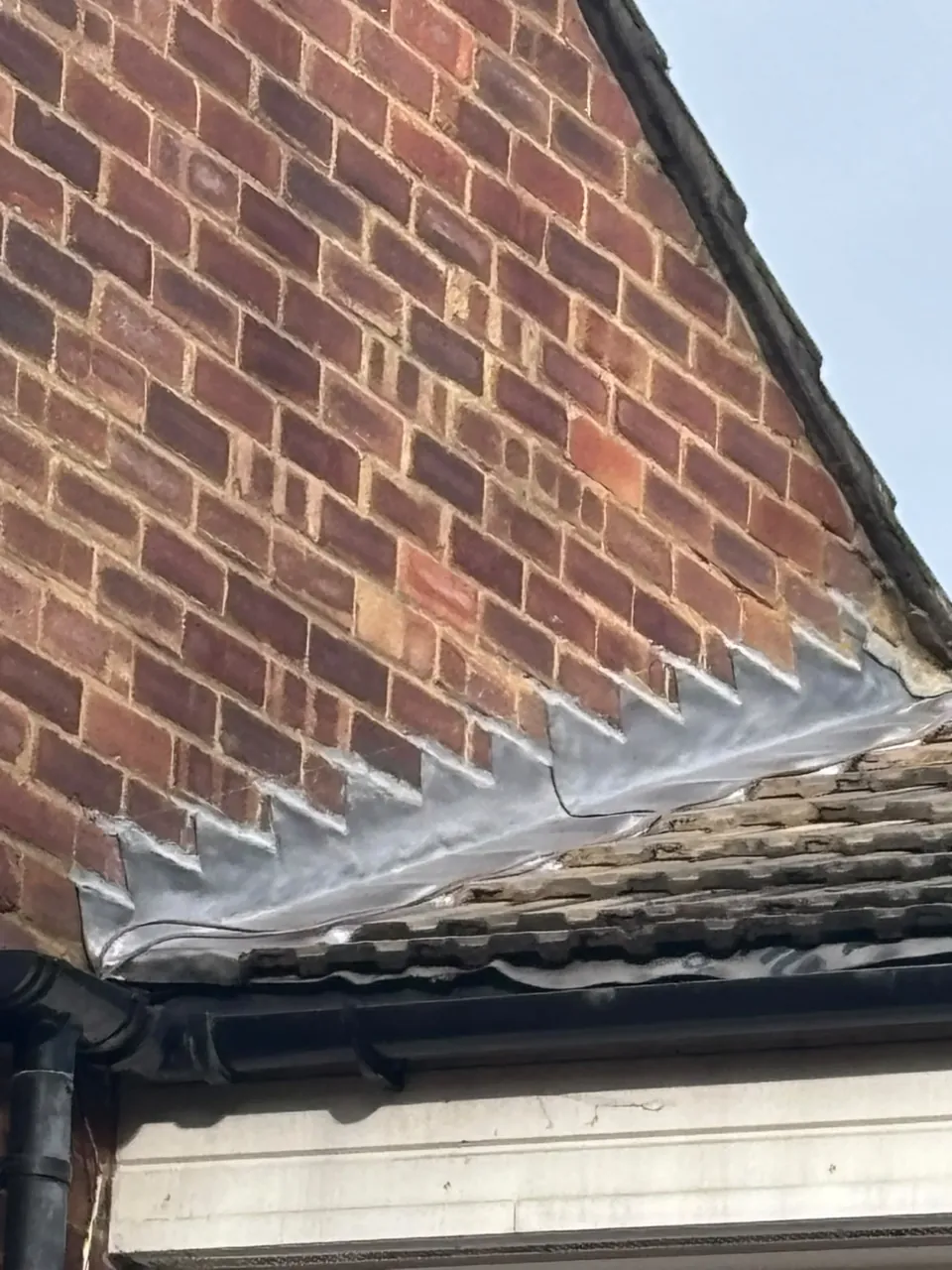
Lead stepped flashing at a brick wall and roof junction

In short

  • 10/10 from 408 Checkatrade reviews
  • Free inspection and estimate
  • Fixed quoted price, no day rates
  • You deal with Justin, start to finish

16 years

on Checkatrade

10/10

from 408 reviews

£1 million

public liability

Fixed price

free estimates

Recent work

Lead Flashing Photos From Real Jobs

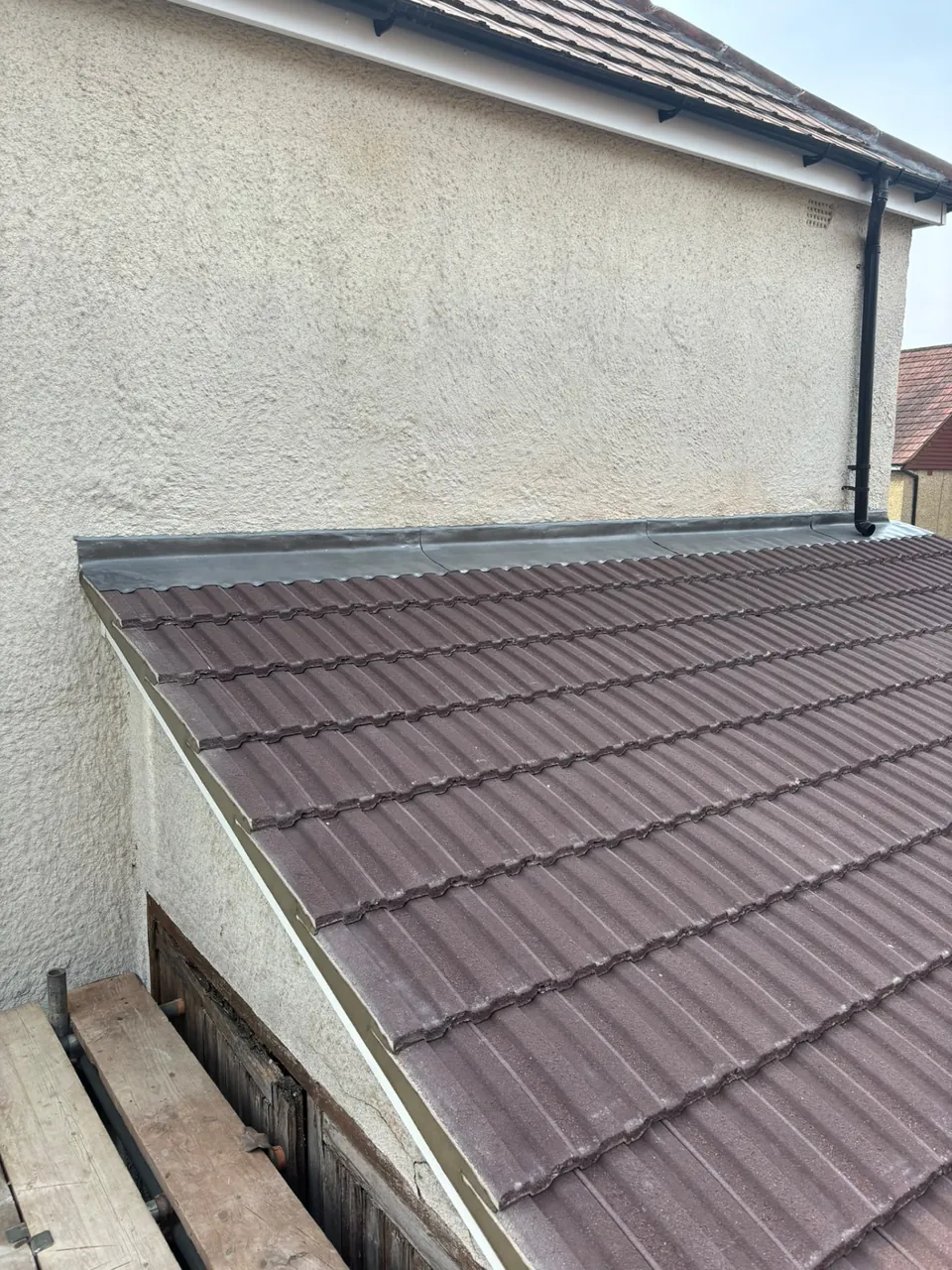
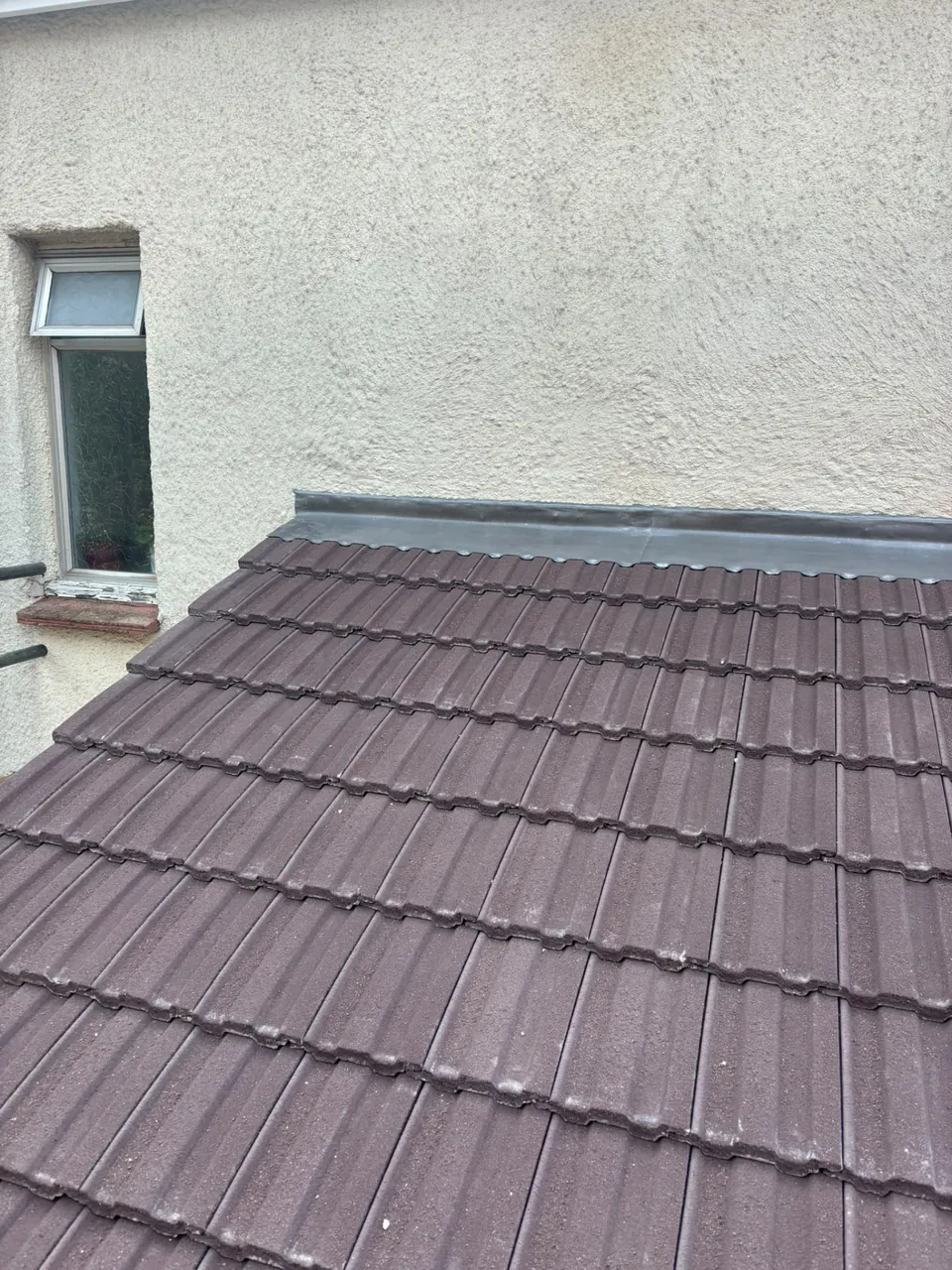
Lead flashing along the wall junction of a tiled lean-to roof
Lead flashing where a lean-to roof meets a rendered wall
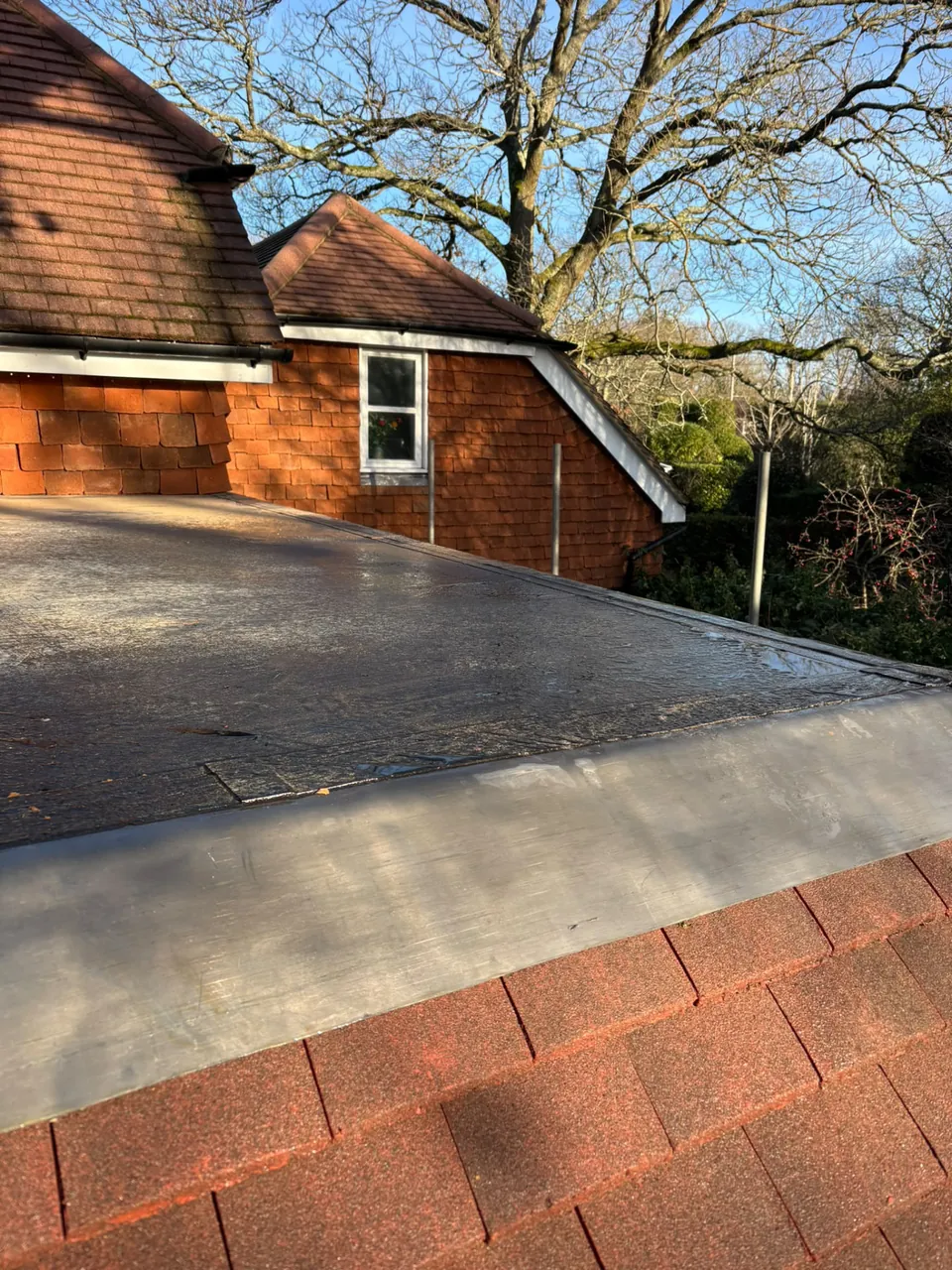
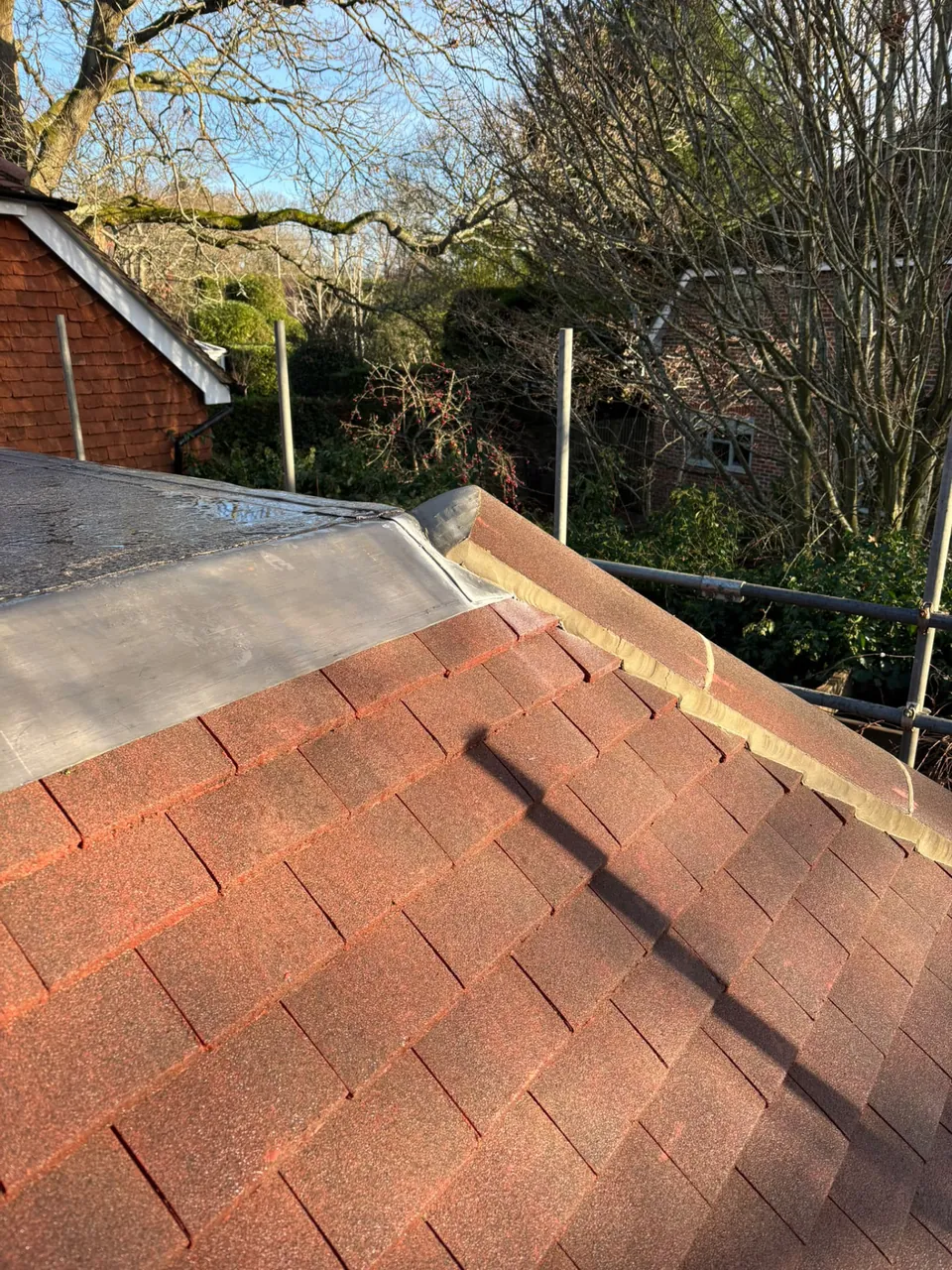
Lead apron at the junction of a flat roof and tiled roof
Leadwork junction between a flat roof and tiled hip
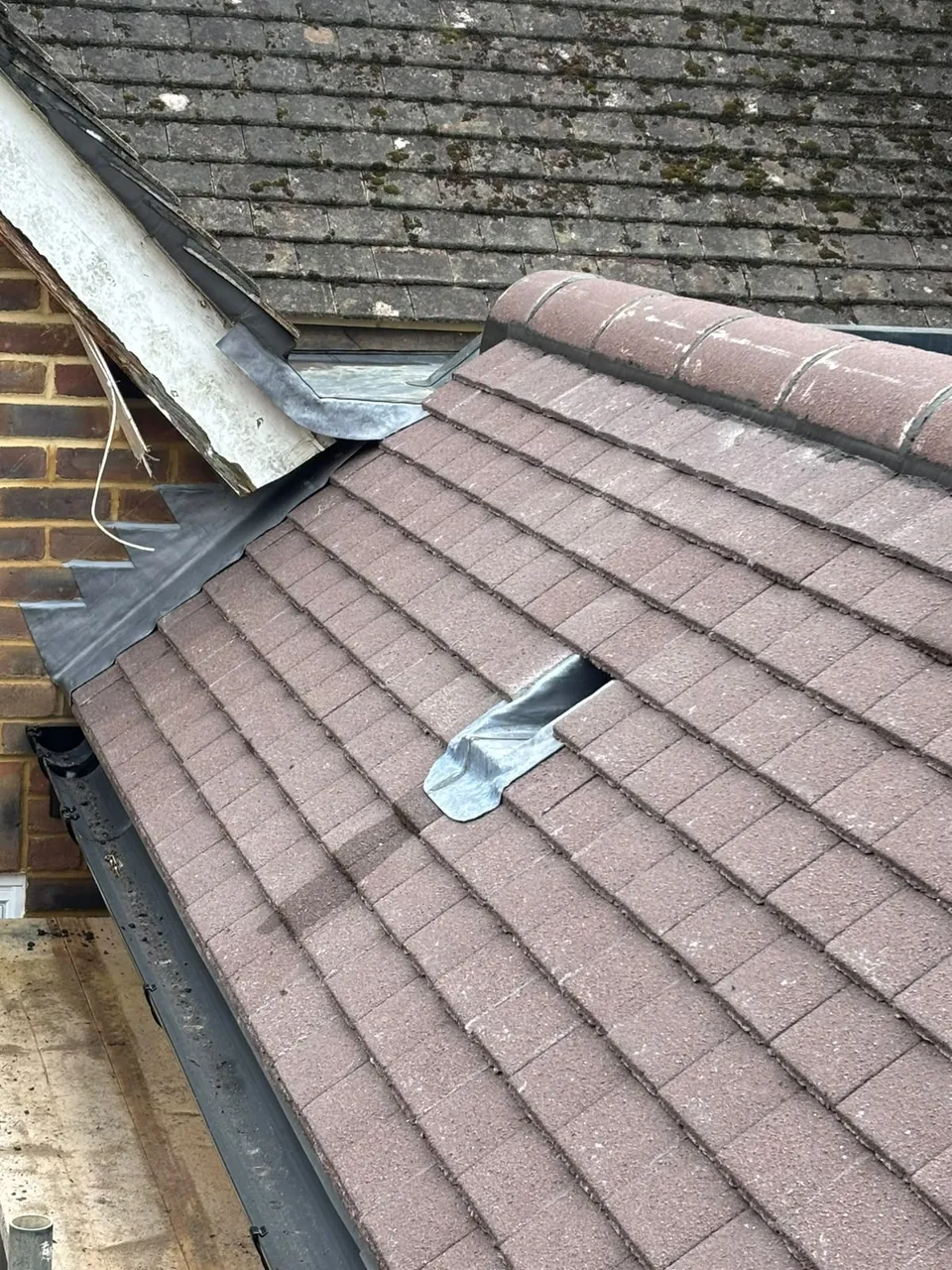
Roof junction leadwork being renewed with tiles lifted

Overview

Lead Flashing: What You Need to Know

What it is

Lead flashing seals the joints where a roof meets something else: a chimney, a wall, a dormer cheek, a skylight or another roof. It's dressed into the brickwork or roof and shaped over the tiles so water runs off rather than in.

Who it's for

Homeowners with leaks around chimneys or where extensions meet the house, and anyone whose lead has cracked, lifted, or been patched with mastic.

When you need it

Signs include damp staining around a chimney breast, water getting in where a flat roof meets a wall, lead that has lifted out of its joint, cracks and splits, or flashing that has been 'repaired' with sealant or tape.

Why it pays to get it right

Leadwork is a skilled part of roofing. It needs to be the right size and weight for its job, dressed carefully and fixed properly into the masonry. Badly fitted lead fails early. One customer had lead flashing replaced alongside a flat roof and dormer roof after I appraised their house survey.

The cost of waiting

What Happens if It's Left

Junctions are the weakest points on any roof. When lead fails, water gets straight into the structure.

Common mistakes

  • Using mastic or flashing tape over cracked lead.
  • Reusing old lead that has split or thinned.
  • Leaving lead out of its mortar joint.

Hidden leaks

Water getting in at a chimney or wall runs down inside before it shows.

Damp chimney breasts and walls

Staining and blown plaster inside the house.

Timber decay

Rafters and battens around the junction stay wet.

Wasted repairs

Sealant patches fail and have to be redone.

My process

Five Clear Steps

  1. Step 1

    Free inspection

    I check the flashing and the roof around the junction.

  2. Step 2

    Fixed quote

    One price for the leadwork needed.

  3. Step 3

    Remove old lead

    Failed lead comes off and the joint is prepared.

  4. Step 4

    Fit new flashing

    New lead is cut, dressed and fixed into the masonry.

  5. Step 5

    Check and clear up

    The junction is checked and the site left tidy.

Guarantee: Leadwork is quoted as part of your job. My company guarantees apply to renewals of tiled roofs, uPVC fascias and soffits, and EPDM flat roofs.

Benefits

What You Get

Stops junction leaks

Deals with the most common source of water getting in.

Long-lasting material

Properly fitted lead has a long service life.

Honest diagnosis

I explain whether the lead is the problem.

Knowledgeable advice

Customers describe me as highly knowledgeable and transparent in costs.

Fixed price

The quote is the price.

Tidy

Site left clean and waste removed.

In detail

Lead Flashing Explained

Types of flashing

Step flashing runs up the side of a chimney or wall in steps that follow the tile courses. Apron flashing sits across the front of a chimney. Back gutters sit behind a chimney to carry water around it. Cover flashing laps over the top. Valleys and dormer cheeks may also be lined with lead.

Fixing into masonry

Flashing is tucked into a mortar joint cut into the brickwork, wedged and pointed. Lead that has been stuck to a wall surface rather than chased into a joint is one of the common reasons for leaks.

Survey work

If a house survey has flagged your leadwork, I can look at it, give you an honest appraisal and quote for the work.

Why lead is still used

Lead has been used on roofs for centuries because it's durable and can be shaped to fit complicated junctions around chimneys, walls and dormers. When fitted properly it moves with the building and resists weathering.

Common causes of failure

Lead fails when pieces are too long and crack through expansion and contraction, when the mortar holding it into the wall weathers away, when it hasn't been dressed closely to the tiles so wind can lift it, or when it has been patched with sealant that eventually peels. Theft is also a problem in some areas. Each of these leads to water getting into the roof at its most vulnerable point.

Flat roofs meeting walls

Where a flat-roofed extension or garage meets the house wall, the covering is turned up the wall and a flashing is fitted over it to stop water running down behind. This detail is often where extension leaks start, and it's checked when I renew a flat roof.

Chimney leadwork

Chimneys usually have the most complex leadwork on a house: an apron at the front, step flashing down each side and a back gutter behind. Water gets in wherever one of these has failed. If your chimney is no longer used, removing the stack is sometimes a better long-term answer, and I'll explain both options.

Getting it looked at

Because flashing failures are hard to see from the ground, a free inspection is the easiest way to find out whether your lead is the cause of a leak. I'll explain what I find and give you a fixed price to put it right.

Why homeowners choose Justin

I'm Justin Wigmore and I run J Wigmore Roofing Ltd on my own. There's no sales visit followed by a different crew: the person who inspects your roof is the person who quotes it, carries out the work and clears up afterwards. I've been listed on Checkatrade for 16 years with a 10/10 rating from 408 reviews, and the same themes come up again and again: excellent communication, daily updates, turning up when I say I will, a clean and tidy site every day, and a final price that matches the quote.

Every job is priced as a fixed quote after a free inspection. I hold £1 million public liability insurance, and payment is by BACS (preferred), cash or cheque.

Lead Flashing across Aldershot and nearby towns

I'm based in Aldershot and regularly work across Farnborough, Ash and Ash Vale, Farnham and its surrounding villages, Fleet, Blackwater and Hawley, Godalming, Guildford and Odiham. Housing across North East Hampshire and West Surrey ranges from Victorian terraces and inter-war semis to post-war estates and modern homes with garages and extensions, so every roof is assessed on its own merits rather than priced from a list.

Before you get in touch

It helps to know roughly where the problem is, how long you've noticed it and whether water is getting inside. Photos taken from the ground are useful but not essential. Use the form below or call me, and I'll arrange a free inspection at a time that suits you. There's no obligation, and you'll get a fixed written quote so you can decide in your own time.

FAQ

Lead Flashing Questions

How much does lead flashing cost?

It depends on the junction and access. I don't publish prices; you'll get a fixed quote after a free inspection.

How long does it take?

Most flashing jobs are completed quickly. I'll give you a timescale when I quote.

Can you tell if my lead is the problem?

Yes, I'll inspect it and explain what I find honestly.

Is leadwork guaranteed?

My company guarantees cover renewals of tiled roofs, uPVC fascias and soffits and EPDM flat roofs. Repairs are not guaranteed.

Can you help with a survey report?

Yes, I can look at the items raised and quote for them.

Do you work in Farnborough?

Yes, along with Aldershot and the surrounding area.

Can you come out for a leak?

I don't run a 24-hour or out-of-hours call-out service. If you have a leak or storm damage, get in touch during normal working hours and I'll arrange to come and look as soon as I can.

How do I pay?

Payment is by BACS bank transfer (preferred), cash or cheque. I don't take card payments.

Free estimate

Seal the Weak Points on Your Roof

Tell me about the job and I'll arrange a free inspection and a fixed written quote. No obligation, no day rates, no surprises.

Call 07769 644580
  • 10/10 from 408 Checkatrade reviews
  • £1 million public liability insurance
  • 10/10 from 408 Checkatrade reviews
07769 644580Free Estimate